Searching for a "private drug rehab" usually means wanting treatment that is confidential, professionally run and quick to start, without discussing your situation in front of others. This guide explains what private drug rehab means in Kenya, what a good program includes, what it can cost and how to choose between centres.
It is general information. A clinical assessment is the only way to know which level of care suits a particular person.
What Does "Private Drug Rehab" Mean?
In Kenya, "private" normally means a facility that is privately owned and run, and paid for by the person, their family or an insurer, rather than a public hospital or government program. For families it often also means privacy: admissions are handled confidentially, personal information is protected and the person is not exposed to public attention while they get help.
Private does not automatically mean better. What matters is the quality of care, whether the centre is properly registered and overseen, and how clearly it explains its treatment and costs.
What a Private Drug Rehab Program Should Include
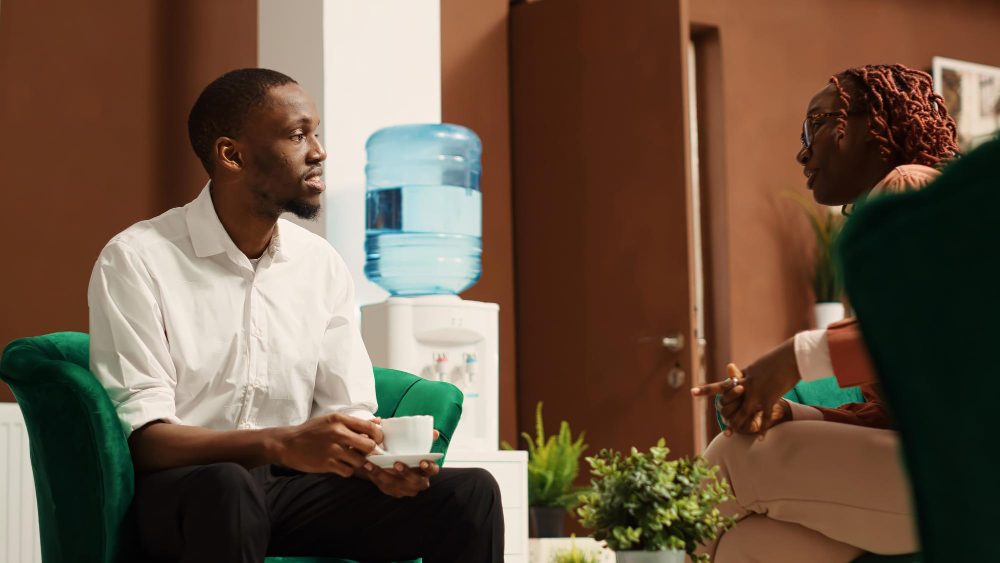
- A confidential first conversation and a clinical assessment of substance use history, physical and mental health, risks and goals.
- Medically supervised detox when withdrawal needs medical support.
- A treatment setting that fits the person: residential (24-hour) or outpatient.
- Individual counselling and group therapy using recognized approaches.
- Care for co-occurring mental health conditions such as depression or anxiety. See dual diagnosis.
- Family involvement and education where appropriate.
- Relapse-prevention planning and aftercare, so support continues after the program.
Residential or Outpatient Drug Treatment?
Residential drug treatment means living at the centre with structured 24-hour support, away from everyday triggers. It often suits people with severe addiction, repeated relapse, an unsupportive home environment or a co-occurring mental health condition.
Outpatient treatment means attending scheduled sessions while living at home. It can work well for milder problems, people with stable home support and responsibilities they must keep, or as a step down after residential care. An assessment helps decide which is safer and more likely to work.
How Much Does Private Drug Rehab Cost in Kenya?
Costs differ between centres and depend on the level of care (detox, residential or outpatient), the length of stay and the person's medical needs. NACADA has reported that the average cost of a 90-day treatment and rehabilitation program for substance use disorders in Kenya ranges from approximately KES 120,000 to KES 500,000. Actual costs vary between facilities and programs.
Our guide to how much rehabilitation costs in Kenya explains what affects the price, what a fee should include and how SHA and insurance fit in. Whichever centre you consider, ask for a written breakdown before you commit, including:
- What is included (accommodation, meals, therapy, medical care, medication).
- Anything charged separately.
- How long the fee covers.
- When and how payments are made.
Paying for Private Rehab
Private treatment is usually paid for by the person, their family or an insurer. Some insurance and SHA benefits may cover part of treatment, depending on the plan and the facility, so check your own cover first and ask the centre what it accepts. Get any payment arrangement in writing, including what the fee covers and when payments fall due.
How to Choose a Private Drug Rehab Centre
- Check registration and oversight. Read how to verify a NACADA accredited rehab in Kenya.
- Look for a qualified clinical team and medical oversight, especially for detox.
- Ask about the treatment approach. Good centres explain their therapies and build an individual plan.
- Insist on clear, written costs.
- Ask about confidentiality and how information is protected.
- Look for family involvement and aftercare, because recovery continues after the program.
- Consider location. A centre within reach of family makes visits, family sessions and outpatient follow-up easier, but quality comes first.
For a longer checklist, see how to choose the right rehabilitation centre in Kenya.
Questions to Ask Before You Admit Someone
- Who will carry out the assessment, and what qualifications do they have?
- Is medical detox available, and who supervises it?
- What does a typical week of treatment look like?
- How are family members involved?
- What happens if the person's needs change during treatment?
- What exactly does the fee cover, and what costs extra?
- What aftercare support is offered when the program ends?
Where to Start if You Are Looking for Help for a Family Member
- Write down what you know: which substances, for how long, any health conditions and any past treatment.
- Contact one or two centres and ask the questions above. Pay attention to how clearly they answer.
- Arrange an assessment. It will recommend the level of care, which may differ from what you expected.
- Take time to compare the plan and the written costs before you commit.
- Involve the person as far as you can. Our guide on how to talk to a loved one about seeking treatment can help.
Red Flags
- Promises of a guaranteed cure.
- Pressure to pay quickly, or no written breakdown of costs.
- No clinical assessment before admission.
- No clear answer on medical supervision for detox.
- Unwillingness to explain registration or how treatment works.
How Admission Works at The Optimum Center
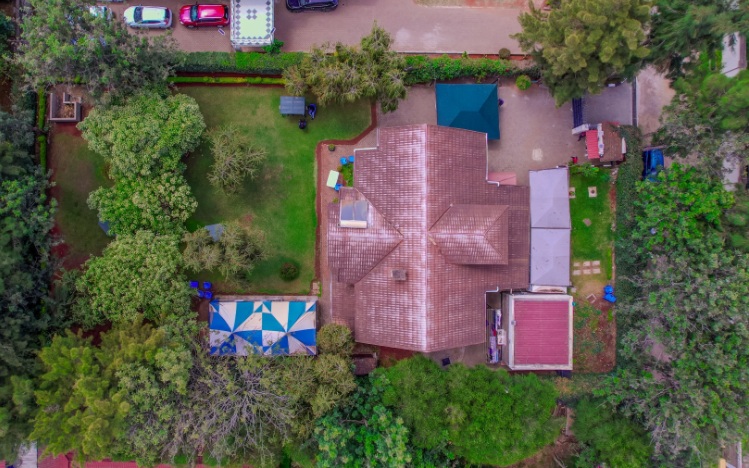
At The Optimum Center in Karen, Nairobi, admission starts with a private inquiry and assessment: you speak to our admissions team confidentially about substance use, health and what you are hoping for. We then explain the level of care we recommend, how treatment would work and what it would cost, so you can decide in your own time. Enquiries are welcome from across Kenya.
Learn more about our private drug rehab and drug addiction treatment, or start an admissions enquiry to speak to us in confidence. If someone is in immediate danger, has overdosed or is unconscious, go to the nearest hospital emergency department straight away.